How Often Should You Seek Periodontal Treatment in Ventura?
@cristiannbqq728
When people ask how often they should get periodontal treatment, they are usually hoping for a simple schedule. Every six months. Once a year. Only when something hurts.
Gum health rarely works that neatly.
The real answer depends on what is happening below the gumline, how quickly plaque hardens into tartar in your mouth, whether you have a history of gum disease, and how well your body handles inflammation. Two patients can brush twice a day, keep regular cleanings, and still need very different levels of care. One may do fine with routine maintenance. The other may need periodontal visits every three or four months to keep bone loss from progressing.
That is why the question is less about a universal calendar and more about risk. If you are looking into Periodontal Treatment Ventura patients commonly receive, the right interval is the one that protects attachment, bone support, and long-term tooth stability before a small issue turns expensive and difficult.
The first thing to understand: periodontal treatment is not the same as a regular cleaning
This is where many patients get tripped up. A standard dental cleaning focuses on removing plaque and tartar above the gumline, with some attention just below it if the tissues are generally healthy. Periodontal treatment addresses disease in the supporting structures around the teeth, including the gums, connective tissue, and bone.
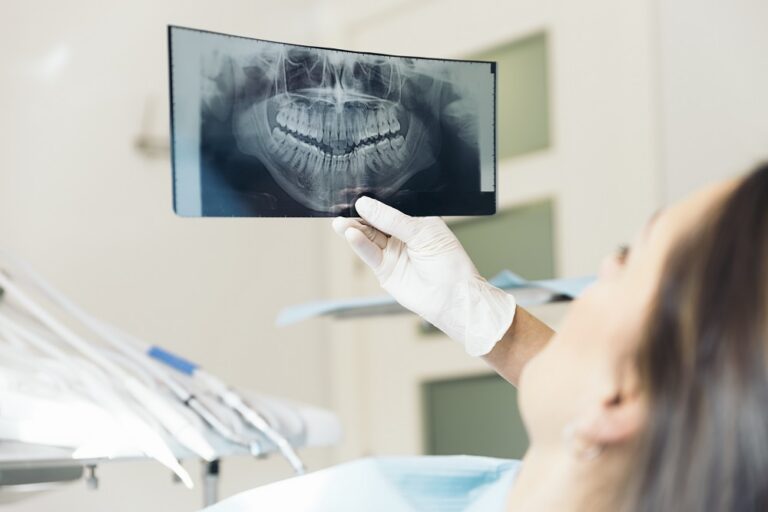
If your gum pockets are deep, if your gums bleed easily, if X-rays show bone loss, or if there is active inflammation that keeps returning, a regular prophylaxis is often not enough. In those cases, treatment may include scaling and root planing, localized antimicrobial therapy, close monitoring of pocket depths, and periodontal maintenance at shorter intervals.
That distinction matters because many people assume they are "keeping up with cleanings" when, in practice, they are under-treating gum disease. The result is a slow slide. The teeth may look acceptable in the mirror while damage quietly continues underneath.
Why frequency matters more than many people realize
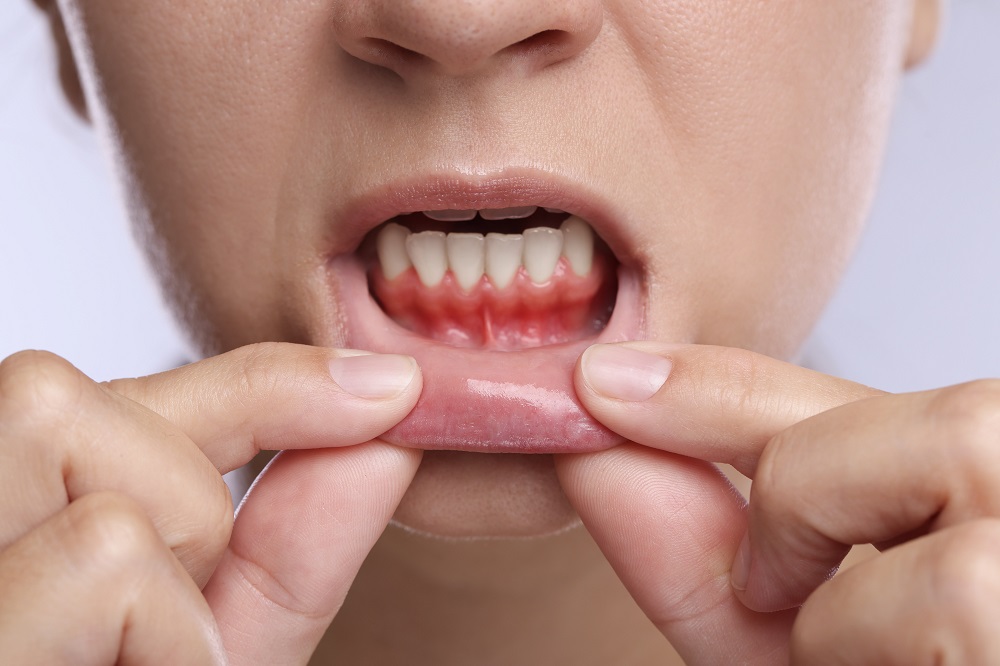
Periodontal disease does not usually announce itself with dramatic pain in the early stages. It tends to be subtle. Bleeding https://anotepad.com/notes/e8hfjbhw while flossing, persistent bad breath, tenderness when brushing, slight gum recession, a tooth that feels a little different when you bite down. Patients often accommodate these signs for months or years.
By the time a tooth feels loose, the disease has usually been active for quite a while.
That is why timing matters. Periodontal treatment works best when inflammation is interrupted consistently enough to keep bacterial buildup from reestablishing itself at a harmful level. For some mouths, six months is too long. Once active periodontitis is in the picture, bacterial repopulation below the gums can occur far sooner than most people expect. A patient who was stable in March may show bleeding, deeper pockets, and fresh calculus by late summer if maintenance is delayed.
I have seen this happen with people who were otherwise conscientious. They were not careless. They were just on the wrong schedule.
The general timing most periodontists and dentists use
There is no single rule that fits everyone, but there are patterns that hold up in real practice.
For people with healthy gums and no history of periodontitis, routine preventive cleanings every six months are often appropriate. For people with gingivitis, meaning inflammation without bone loss, the interval may still be around six months, though sometimes shorter if home care is slipping or inflammation is persistent.
Once periodontitis has been diagnosed, many clinicians move patients onto periodontal maintenance every three to four months. That interval is common because it is often short enough to disrupt recurring buildup and monitor pocket changes before damage accelerates. Some patients can later move to a four- or even six-month schedule if they remain stable over time. Others need to stay at three months for years.
This is not overtreatment. It is risk management.
A patient with a history of deep pockets, recession, and bone loss has already shown that their gums are vulnerable. Even when the disease is well controlled, that history still matters. Stability does not erase susceptibility.
What determines whether you need treatment every three months, four months, or less often
Dentists and periodontists look at a cluster of findings, not just one number.
Pocket depth is one of the most important. Healthy gums typically have shallow sulcus depths. When pockets deepen, they become harder to clean at home and easier for harmful bacteria to colonize. Bleeding on probing also matters because it signals active inflammation. Bone levels on X-rays tell a longer story, especially if there is comparison over time. The amount of tartar accumulation between visits matters too. Some people build it rapidly despite decent brushing habits.
Medical history can shift the recommended frequency in a big way. Diabetes, especially if not well controlled, raises periodontal risk. Smoking remains one of the strongest predictors of poor gum response and recurrence. Dry mouth can contribute. So can certain medications, stress, hormonal shifts, and immune-related conditions.
Then there is technique at home. This part is delicate but important. Many people sincerely believe they are flossing effectively when they are not actually disrupting plaque at the gumline. Others brush hard enough to damage the tissue but still miss the areas where biofilm thrives. A person with excellent home care may maintain stability longer between appointments. A person with inconsistent technique usually cannot.
Ventura patients often ask whether local lifestyle affects gum treatment frequency
It can, though usually in indirect ways.
Ventura’s coastal climate itself is not the deciding factor, but local habits can shape oral health. People who are active outdoors may go long stretches with coffee, sports drinks, or frequent snacking and delayed brushing. Some breathe through the mouth during exercise or sleep, which can dry tissues. Smoking and vaping remain significant contributors everywhere, including beach communities where people may otherwise look quite healthy.
Another practical issue is postponement. In a busy coastal city, dental visits are easy to push aside. Work, commuting, family schedules, school calendars, and seasonal tourism jobs can all interfere with follow-up care. Periodontal disease does not pause because life gets crowded.
So when evaluating Periodontal Treatment Ventura residents may need, the most useful lens is not geography alone. It is how lifestyle patterns affect inflammation, home care, and consistency with maintenance.
Signs you may need periodontal care sooner than your next routine visit
There are moments when waiting for your regular checkup is not a good idea. Gum disease can flare, and when it does, early attention usually means simpler treatment.
Here are signs worth taking seriously:
- Gums that bleed regularly during brushing or flossing
- Persistent bad breath or a bad taste that does not go away
- Swollen, tender, or receding gums
- Teeth that feel loose, shifted, or different when biting
- Pus, localized soreness, or a pimple-like bump near the gumline
Bleeding once after an aggressive flossing session is not the same as repeated bleeding over several days or weeks. Context matters. But if your mouth keeps sending the same warning, pay attention.
What the treatment rhythm often looks like after diagnosis
A diagnosis of periodontitis does not automatically mean surgery, nor does it mean a lifetime of constant appointments. Most treatment plans move through phases.
First comes evaluation. That includes probing measurements, a review of X-rays, examination of recession and mobility, and a discussion of habits and health history. If active disease is present, many patients begin with non-surgical treatment such as scaling and root planing. After healing, the gums are re-evaluated to see how much inflammation has resolved and whether pockets have shrunk to maintainable levels.
From there, the schedule becomes more individualized. A fairly common sequence looks like this:
- Active treatment, often over one or more visits depending on the amount of disease present.
- Re-evaluation after healing, frequently within several weeks to a few months.
- Periodontal maintenance every three to four months if the disease is stable but still requires close control.
- Adjustments to the interval based on bleeding, pocket depths, tartar buildup, and home care.
- Referral for surgical care if certain deep areas do not respond adequately.
The key point is that periodontal care is dynamic. It changes with your tissue response. Some patients improve enough to stretch visits modestly. Others need tighter supervision because one or two isolated areas keep relapsing.
The difference between "cured" and "stable"
This is one of the most important conversations in gum care, and one that is often not explained clearly enough.
Periodontal disease can usually be controlled, but teeth that have lost supporting bone do not simply return to their original condition on their own. Once disease has occurred, the goal becomes stability. That means reducing inflammation, limiting or halting further destruction, and making the mouth maintainable over the long term.
Patients often hear that their gums "look better" and assume they are done. Then they drift back to six-month cleanings or skip visits for a year. By the time they return, pocketing has deepened again.
Stable is excellent. Stable is what you want. But stable still needs maintenance.
Think of it less like finishing a one-time repair and more like managing a condition that can reactivate if neglected.
Cases where more frequent periodontal treatment makes sense
Some situations justify a tighter schedule, at least for a period of time.
A smoker with moderate bone loss may need three-month maintenance because tissue response is less predictable and warning signs can be muted. A patient with diabetes whose blood sugar has been hard to control may also benefit from closer follow-up because inflammation tends to be more stubborn. Someone with extensive bridgework, implants, or crowded lower front teeth may accumulate calculus in ways that are difficult to manage at home, even with good effort.
I have also seen frequency matter after major life changes. New parents, caregivers, patients recovering from illness, and people under sustained work stress often see oral hygiene slide simply because their routines fall apart. It is not uncommon for a previously stable mouth to need a temporary step-up in maintenance during those seasons.
Then there are patients with a family history that suggests stronger periodontal susceptibility. Genetics do not dictate everything, but they can influence how aggressively disease behaves. If someone in their thirties has measurable bone loss despite decent habits, clinicians usually take that seriously.
When less frequent visits may be reasonable
Not everyone with a history of gum disease needs to be seen every three months forever.
A patient who completed treatment, maintains very good plaque control, does not smoke, has shallow stable pockets, and shows minimal bleeding over multiple recall visits may be able to move to a four-month schedule. Some carefully selected patients eventually do well at longer intervals, though that decision should be made with caution.
The mistake is assuming less frequent visits are a reward. They are not. They are a reflection of documented stability.
If your provider recommends staying at three or four months, it is usually because your tissues have shown that they need it. That recommendation is based on what your gums actually do between visits, not on a generic billing pattern.
Cost concerns are real, but delay is usually more expensive
Many people hesitate over periodontal care because they are worried about cost, insurance coverage, or the idea of "more treatment than expected." That concern is understandable. Periodontal maintenance often differs from what insurance labels as a routine cleaning, and benefits are not always generous.
Still, putting off treatment tends to increase the total burden. Small pockets become deep ones. Manageable inflammation becomes bone loss. A limited deep cleaning becomes surgery, grafting, or extraction followed by an implant, bridge, or denture discussion.
The financial difference between maintenance and reconstruction can be substantial. So can the time cost. One extra visit every few months is easier than trying to repair advanced damage later.
The more useful question is often not "Can I wait?" But "What happens if I do?"
What you can do between appointments to reduce how much treatment you need
Home care does not replace professional care, but it has enormous influence on how often you need periodontal treatment and how successful that treatment will be.
Technique matters more than intensity. Scrubbing hard can worsen recession and sensitivity without actually cleaning well. The goal is thorough plaque disruption at the gumline and between teeth. For many adults, powered brushes help with consistency. Interdental brushes can be more effective than floss in certain wider spaces or around bridgework and implants. An antimicrobial rinse may be useful in selected cases, though it should not be treated as a substitute for mechanical cleaning.
What works best depends on the mouth in front of you. A patient with tight contacts and no restorations may do well with floss. A patient with recession and black triangles may need tiny interdental brushes. Someone with arthritis may require adapted handles or electric tools to get the job done well.
If you are unsure whether your home care is effective, ask your provider to show you where you are missing. That five-minute coaching session can change your gum health more than another year of guessing.
How to know whether your current provider is giving you the right frequency recommendation
A good recommendation is specific. It should be tied to findings you can understand.
If your dentist or periodontist says you need periodontal maintenance every three or four months, you should be able to ask why and get a clear answer. Maybe you have residual 5 to 6 millimeter pockets in the molar areas. Maybe there is recurrent bleeding around lower incisors where tartar forms quickly. Maybe your bone levels show past loss and your tissue tends to inflame between visits. Those are concrete reasons.
Vague explanations are less helpful. So is care that never seems to change no matter how your mouth responds. Good periodontal management involves reassessment. It should not feel random, and it should not feel automatic.
If you are seeking Periodontal Treatment Ventura practices provide, look for a clinician who measures, explains, compares over time, and adjusts the plan based on results. That is how sound periodontal care is supposed to work.
A practical way to think about your schedule
If your gums are healthy and you have no history of bone loss, six-month preventive visits may be enough. If you have gingivitis, you may need closer coaching and possibly somewhat shorter intervals until inflammation settles. If you have periodontitis, especially with deeper pockets or prior bone loss, every three to four months is a very common and often very sensible maintenance rhythm.
The interval should be long enough to fit real life, but short enough to keep disease from regaining ground.
That is the balance your provider is trying to strike.
For many adults, the most honest answer to "How often should I seek periodontal treatment?" Is this: as often as your gum measurements, bleeding pattern, bone support, and risk factors say you need it, not as often as your calendar would prefer. That may be more frequent than you expected. It may also be the reason you keep your natural teeth far longer.
If you are noticing bleeding, recession, bad breath, or a history of "deep cleanings" that never led to a clear maintenance plan, it is worth asking for a focused periodontal evaluation. Getting the timing right is one of the most effective things you can do for the future of your smile.
Avra Dental
Address: 1708 S Victoria Ave B, Ventura, CA 93003
Phone number: (805) 941-1001
FAQ About Periodontal Treatment Ventura
Can a dentist get rid of periodontal disease?
A dentist or gum specialist (periodontist) cannot fully cure or reverse advanced periodontal disease (periodontitis), but they can successfully stop its progression and manage the infection.
Is periodontitis very serious?
Yes, periodontitis is a very serious, advanced form of gum disease that destroys the bone and tissues supporting your teeth.
How is stage 2 periodontal disease treated?
Stage 2 periodontal disease (early to moderate periodontitis) is primarily treated with non-surgical deep cleaning procedures like scaling and root planing to remove bacteria and tartar below the gumline.