Periodontal Treatment Ventura: A Step-by-Step Overview
@cristiannbqq728
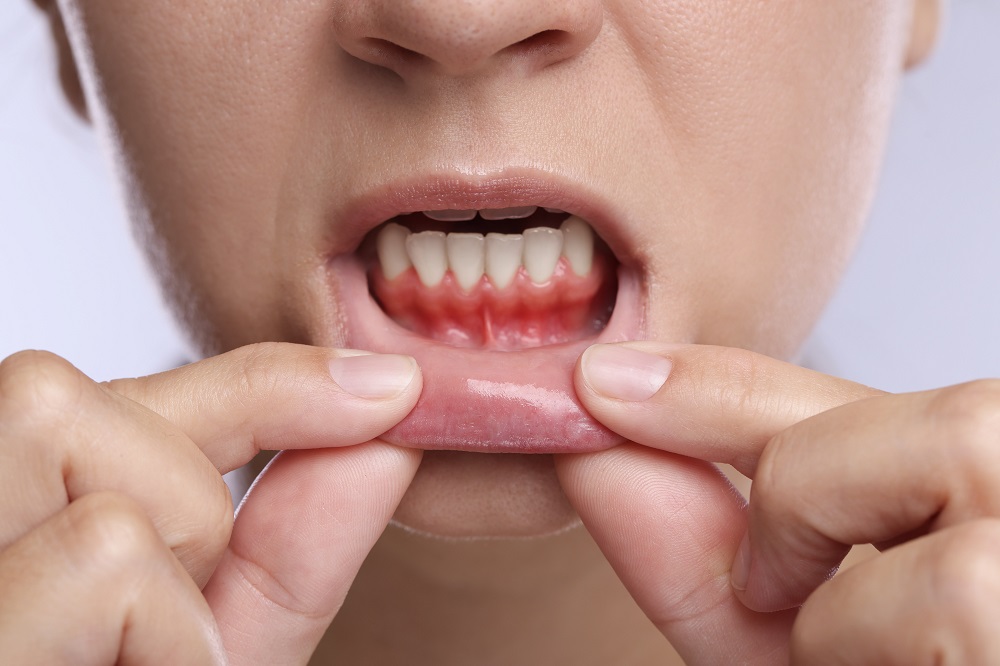

Gum disease rarely announces itself with drama. More often, it starts quietly, a little bleeding when you brush, a persistent bad taste, gums that look puffy instead of firm. Many people ignore those signals because the teeth may not hurt, and pain is still what most of us associate with a dental problem. Periodontal disease does not always follow that script. By the time it becomes obvious, it may already be affecting the structures that hold the teeth in place.
That is why a clear understanding of treatment matters. For patients seeking Periodontal Treatment Ventura, the process usually feels less intimidating once they know what happens, why it happens, and what the dentist or periodontist is looking for at each stage. The work is not just about cleaning teeth. It is about controlling infection, reducing inflammation, preserving bone, and giving the gums a chance to heal in a stable way.
Every case is a little different. A patient with mild gingivitis who has not had a cleaning in two years will move through treatment differently than someone with advanced periodontitis, loose teeth, and a history of smoking or diabetes. Still, the broad path is fairly consistent, and knowing that path helps patients make better decisions and stick with care long enough to see real improvement.
What periodontal treatment is actually treating
Periodontal disease affects the periodontium, the supporting tissues around the teeth. That includes the gums, the periodontal ligament, the root surfaces, and the alveolar bone. When bacterial plaque is allowed to remain on the teeth and beneath the gumline, the body responds with inflammation. In its earliest stage, this is gingivitis. The gums may bleed, swell, and look redder than normal, but the bone and deeper support have not yet been destroyed.
Once the inflammation extends deeper and begins to damage attachment and bone, the condition becomes periodontitis. At that point, the gum may separate from the tooth, creating what clinicians call periodontal pockets. Those pockets make home cleaning much harder, so bacteria remain in place, the immune response continues, and bone loss can progress gradually over months or years.
In practical terms, treatment has several goals at once. It aims to remove the bacterial buildup causing the problem, reduce pocket depth where possible, stop or slow further bone loss, and create an environment the patient can maintain at home. Sometimes that can be done with non-surgical care alone. Sometimes surgery is the best route. The key is matching treatment to the severity and pattern of disease rather than applying a one-size-fits-all plan.
When patients usually realize something is wrong
A surprising number of people come in because a hygienist or general dentist noticed periodontal changes before they did. Others schedule a visit after a symptom starts interrupting daily life. The signs that most often bring people in include the following:
- Bleeding during brushing or flossing that keeps happening
- Gums that look swollen, shiny, or darker red than usual
- Persistent bad breath or a sour taste that does not improve
- Gum recession, teeth that appear longer, or new sensitivity
- Teeth that feel loose or food that traps in places it never did before
Not every one of these symptoms means severe disease, but each deserves a close look. I have seen patients assume bleeding was caused by brushing too hard, when the real issue was inflammation below the gumline. I have also seen the opposite, people panic over recession that was caused mainly by aggressive brushing rather than active periodontal breakdown. The examination sorts that out.
The first visit: more detective work than most people expect
The first periodontal evaluation is not simply a quick glance at the gums. A thorough provider will gather a medical and dental history, because the mouth does not operate in isolation. Diabetes, smoking history, certain autoimmune conditions, dry mouth, hormonal changes, stress, clenching, and some medications can all affect periodontal health or healing.
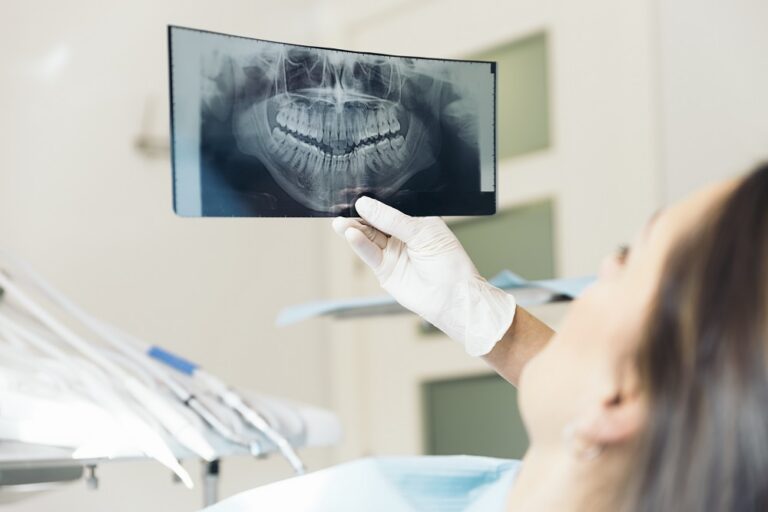
Then comes the clinical examination. This typically includes measuring pocket depths around each tooth with a periodontal probe, checking whether the gums bleed during probing, noting recession, testing mobility, and identifying plaque and tartar accumulation. X-rays help show the level and pattern of bone support that cannot be seen from the outside.
This stage matters because treatment decisions depend on detail. A patient with generalized 4 millimeter pockets and mild horizontal bone loss may be managed very differently from someone with deep isolated defects around a few molars. Furcation involvement, which means bone loss between the roots of multi-rooted teeth, changes the prognosis. So does mobility. A cracked root can mimic periodontal disease in one area. Heavy tartar can hide the true contours of the gums. Good diagnosis is what keeps treatment from drifting into guesswork.
For anyone considering Periodontal Treatment Ventura, this is also the point where expectations should be discussed plainly. Not every tooth can be saved. Not every deep pocket can be eliminated fully. Sometimes the realistic goal is long-term control rather than perfection. Honest conversations here prevent disappointment later.
How severity shapes the treatment plan
Once the exam is complete, the provider usually groups the condition into broad categories. Gingivitis often responds well to professional cleaning and improved home care. Mild to moderate periodontitis commonly starts with scaling and root planing, sometimes called deep cleaning. More advanced disease may require a combination of non-surgical therapy, re-evaluation, localized antimicrobial treatment, surgery, and long-term maintenance.
This is also where practical factors come into play. Some patients have excellent motivation and home care habits but inherited a tendency toward more aggressive breakdown. Others have severe buildup but are otherwise healthy and respond quickly once the deposits are removed. Financial constraints, scheduling realities, dental anxiety, and transportation matter too. Treatment only works if it can actually be completed.
A sensible plan respects biology and real life at the same time.
The usual sequence of care
Most periodontal cases follow a progression that looks something like this:
- Comprehensive examination with probing, imaging, and risk assessment
- Initial therapy, often scaling and root planing with oral hygiene instruction
- Healing period followed by re-evaluation of pockets, bleeding, and tissue response
- Additional treatment if needed, which may include localized antimicrobials or surgery
- Ongoing periodontal maintenance to prevent relapse
That sequence sounds tidy on paper, but in practice there are judgment calls throughout. A patient with heavy inflammation may show dramatic improvement after initial therapy alone. Another may have cleaner root surfaces but still retain deep pockets that trap bacteria and keep bleeding. Re-evaluation tells the truth.
Scaling and root planing: the foundation of non-surgical care
For many patients, this is the part they hear about first. Scaling and root planing is more thorough than a routine cleaning. A regular cleaning, often called prophylaxis, is intended for mouths without active periodontal disease. Deep cleaning is different. It targets deposits and bacterial biofilm below the gumline, where inflammation is being sustained.
The area is usually numbed so the clinician can work comfortably and thoroughly. Depending on the amount of disease, treatment may be completed in one longer visit or divided into sections of the mouth over two or more appointments. Hand instruments and ultrasonic scalers are both commonly used. The goal is to remove calculus, disrupt biofilm, and leave root surfaces as clean and biologically compatible as possible so the gum tissue can tighten and heal.
Patients often ask whether root planing means scraping away the tooth root itself. In modern practice, the aim is not aggressive removal of healthy tooth structure. The focus is debridement, removing contaminated deposits and smoothing enough to reduce bacterial retention. Over-instrumentation is not the goal.
After treatment, the gums may feel tender for a few days, and teeth may feel more sensitive, especially to cold. Some patients also notice that their gums look slightly lower as swelling resolves. That can be unsettling at first, but in many cases the tissue is not getting worse, it is simply shrinking back to a healthier, less inflamed state.
What healing looks like in the first few weeks
The period right after initial treatment is easy to underestimate. Patients sometimes assume the hard part is over once the deep cleaning is done. In reality, the next two to six weeks are where the body either moves toward stability or slides back toward the same inflammatory pattern.
When home care improves and bacterial disruption is consistent, the tissue often changes quickly. Bleeding decreases. The gums look firmer and less glossy. Bad breath may lessen noticeably. Pocket measurements can improve because inflamed tissue shrinks and reattaches to some degree. A 5 millimeter pocket does not always stay a 5 after inflammation is brought under control.
This is also when weak spots become clearer. A patient may do well in most areas but continue to struggle around lower front teeth crowded with tartar, or around upper molars where furcations are harder to clean. A good clinician pays close attention to those patterns instead of only looking at the average.
In my experience, patients are often most motivated after they see that the gums can actually calm down. Once bleeding decreases, brushing feels less discouraging. That matters, because confidence tends to improve compliance.
Re-evaluation: the visit that determines what comes next
A proper re-evaluation is not a formality. It is one of the most important appointments in the entire process. After initial therapy, the provider re-measures pockets, checks for bleeding, reviews plaque control, and compares the current tissues to the original findings.
This is where several paths can emerge. If the pockets are now shallow enough to maintain and inflammation is controlled, the patient may move into periodontal maintenance. If a few areas remain deep, bleeding, or difficult to access, localized retreatment may be appropriate. If significant pockets persist, especially in areas with vertical bone loss or anatomical defects, surgery may be recommended.
Patients sometimes feel disappointed if surgery is mentioned after they already completed deep cleaning. But non-surgical therapy is not wasted effort in those cases. It reduces inflammation, makes the tissues easier to assess accurately, and often improves the surgical outcome. It is part of a staged approach, not a failed attempt.
When surgical periodontal treatment becomes necessary
Surgery is usually considered when deep pockets remain that cannot be managed predictably with cleaning alone, or when the anatomy of the defect suggests a surgical approach can improve access or regeneration. There are several types of periodontal surgery, and the details depend on the case.
Flap surgery, sometimes called pocket reduction surgery, allows the periodontist to gently reflect the gum tissue, clean the root surfaces and defects more directly, and reposition the tissue to reduce pocket depth. In certain defects, bone grafting or regenerative materials may be used in an effort to rebuild lost support. Gum grafting is a different category, generally used to address recession, root exposure, or thin tissue that is vulnerable to further breakdown.
The word surgery tends to raise anxiety, but most periodontal procedures are done under local anesthesia, sometimes with additional sedation if needed. The discomfort afterward is often less dramatic than patients fear. The more important question is not whether surgery sounds unpleasant, but whether it gives the tooth a meaningfully better chance over the long term.
There are trade-offs, and they should be discussed openly. Pocket reduction can improve cleanability, but in some areas it may leave roots more exposed and increase sensitivity or create longer-looking teeth. Regenerative procedures can be valuable, but they are not appropriate for every defect and outcomes vary depending on defect shape, smoking status, plaque control, and general health. Good periodontal care is full of these judgment calls.
Antibiotics and antimicrobial therapy: useful, but not magical
Patients often assume infection automatically means antibiotics. Periodontal disease is more complicated than that. This is a biofilm-driven chronic inflammatory condition, and mechanical disruption of plaque and calculus is the core treatment. Antibiotics may have a role in selected cases, but they do not replace thorough cleaning.
Some clinicians use localized antimicrobials in persistent pockets after scaling and root planing. Others may prescribe systemic antibiotics in aggressive or refractory cases, or when specific bacterial patterns and clinical findings justify them. https://maps.app.goo.gl/ChfJKu9PFXzaNGje8 But routine overuse is not ideal. It can create side effects, encourage resistance, and offer only temporary improvement if the underlying pocket environment remains unchanged.
The best results usually come from combining precise instrumentation, good home care, and careful re-evaluation rather than relying on medication as a shortcut.
The home care piece that decides whether treatment lasts
No periodontal treatment stays successful on office visits alone. The clinical work creates an opportunity for healing, but daily disruption of plaque at home is what protects that progress. This is where treatment often succeeds or fails quietly.
A practical home-care routine usually includes:
- Brushing twice daily with careful attention along the gumline
- Cleaning between the teeth with floss, interdental brushes, or picks suited to the spaces
- Using any prescribed rinse or special tools exactly as directed
- Avoiding tobacco, which sharply reduces healing and increases recurrence risk
- Keeping periodontal maintenance visits on schedule
The details should be individualized. Tight contacts may favor floss, while open embrasures after bone loss often respond better to interdental brushes. Electric toothbrushes can help some patients, especially those with dexterity limits, but they are not a substitute for technique. Water flossers can be useful adjuncts, particularly around bridges, implants, and orthodontic areas, though they do not always replace mechanical contact between teeth.
This is one area where small adjustments can produce major gains. I have seen patients struggle for years simply because nobody showed them that the brush angle was wrong, or that a tiny interdental brush was more effective for their anatomy than floss they found frustrating.
Periodontal maintenance is not the same as a standard cleaning
This distinction deserves emphasis because it is often misunderstood. After active periodontal treatment, many patients are placed on a periodontal maintenance schedule rather than a typical six-month cleaning cycle. Maintenance visits are more focused and often more frequent, commonly every three to four months, though timing can vary.
Why more often? Because the bacterial populations that drive periodontal disease can repopulate over time, and patients with a history of attachment loss remain at higher risk for recurrence. Maintenance visits allow the clinician to monitor pocket depths, bleeding, plaque patterns, calculus buildup, recession, mobility, and any signs that a previously stable area is changing.
These visits are preventive in the truest sense. They are not over-treatment. They are what keeps a chronic condition from becoming destructive again. Patients who disappear after active therapy often return years later with familiar problems, sometimes worse than before, and the pattern is frustrating precisely because it was preventable.
Special situations that can change the plan
Periodontal care is rarely just about the gums in isolation. Several factors can alter how treatment proceeds.
Diabetes is a major one. Poorly controlled blood sugar tends to worsen periodontal inflammation and impair healing, while periodontal infection can make glycemic control harder. The relationship goes both ways. Patients who improve their periodontal health sometimes notice better overall control, though the degree varies.
Smoking remains one of the strongest negative influences. Smokers may show less obvious bleeding because nicotine constricts blood vessels, but that does not mean the disease is milder. In fact, smoking often masks inflammation while increasing tissue destruction and reducing treatment response. This can lead to false reassurance unless the provider looks carefully.
Dental restorations and bite issues matter too. Overhanging fillings or crowns can trap plaque. Heavy occlusal forces may worsen mobility in already compromised teeth. Orthodontic crowding can make home care difficult. Dry mouth, whether from medication or other causes, changes the bacterial environment and can complicate plaque control.
Pregnancy, menopause, immune status, and genetic tendencies can all influence tissue response as well. None of these automatically determines the outcome, but each may shift the strategy.
What patients in Ventura often ask before starting
Patients considering Periodontal Treatment Ventura usually ask practical questions first, and rightly so. How long will treatment take? Will it hurt? What will insurance cover? Can the teeth still be saved?
The timeline depends on severity. Mild cases may stabilize after one or two focused visits plus follow-up. More advanced disease can involve months of staged care, especially if surgery, grafting, or restorative treatment becomes part of the plan. Discomfort is usually manageable, particularly when expectations are set clearly and anesthesia is handled well. The emotional burden is often heavier than the physical one, especially for patients who feel embarrassed that they let the condition progress. A good periodontal team knows that shame is unhelpful and that practical guidance works better.
As for prognosis, it depends on several things at once: how much support remains, where the defects are, whether the patient smokes, how well diabetes is controlled, how effective the home care becomes, and whether maintenance is consistent. Teeth with substantial bone loss can sometimes remain functional for years when the disease is controlled. Others may have such poor support, root anatomy, or fracture issues that extraction is the more sensible choice. Saving a tooth is not always the same as keeping it comfortably and predictably.
What successful treatment feels like over time
The best outcome is not dramatic. It is steady. The gums stop bleeding so easily. The mouth feels cleaner. Breath improves. Appointments become routine rather than urgent. Pocket measurements stabilize. X-rays show support that is being maintained rather than lost. Teeth that once felt questionable settle into function.
There may still be compromises. Some roots stay sensitive. Some spaces between teeth look larger after inflamed tissue resolves. A few sites may always need extra attention. But stability is a meaningful success in periodontics. The goal is not cosmetic perfection at all costs. It is preserving health, comfort, and function for as long as possible.
Patients often tell me the surprise was not how complicated the treatment was, but how manageable it became once they understood the sequence. The unknown tends to create more fear than the appointments themselves. When the process is explained clearly, periodontal care feels less like a crisis and more like a methodical repair job, one stage building on the last.
That is the right way to think about it. Periodontal disease is common, but it should never be treated casually. Early treatment is simpler, less costly, and more predictable. Advanced treatment can still do a great deal, but it demands patience, consistency, and realism. For anyone navigating Periodontal Treatment Ventura, the strongest advantage is not luck. It is timely diagnosis, a well-matched plan, and the willingness to follow through long after the first deep cleaning is over.
Avra Dental
Address: 1708 S Victoria Ave B, Ventura, CA 93003
Phone number: (805) 941-1001
FAQ About Periodontal Treatment Ventura
Can a dentist get rid of periodontal disease?
A dentist or gum specialist (periodontist) cannot fully cure or reverse advanced periodontal disease (periodontitis), but they can successfully stop its progression and manage the infection.
Is periodontitis very serious?
Yes, periodontitis is a very serious, advanced form of gum disease that destroys the bone and tissues supporting your teeth.
How is stage 2 periodontal disease treated?
Stage 2 periodontal disease (early to moderate periodontitis) is primarily treated with non-surgical deep cleaning procedures like scaling and root planing to remove bacteria and tartar below the gumline.